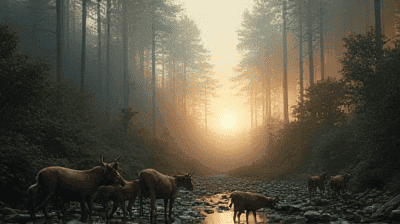
Throughout Earth’s history, five mass extinction events have dramatically reshaped the planet's biological landscape. Each event has led to significant losses in biodiversity, altering ecosystems and paving the way for new species to emerge.
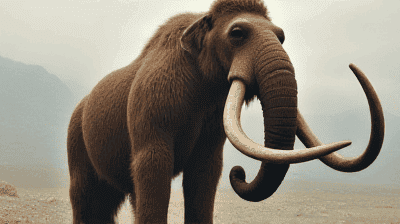
The concept of de-extinction has captured the imagination of scientists, environmentalists, and the general public alike. The idea that we could potentially bring back species that once roamed the Earth, such as the woolly mammoth, raises profound questions about ethics, ecology, and the future of conservation.
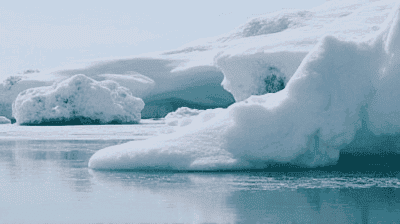
The Arctic region is undergoing rapid changes due to climate change, with temperatures rising at more than twice the global average. One of the most significant consequences of these rising temperatures is the thawing of permafrost—a layer of permanently frozen soil that has remained unchanged for thousands of years. As permafrost thaws, it not only releases greenhouse gases such as carbon dioxide and methane but also poses a less direct yet equally alarming risk: the potential release of ancient pathogens.
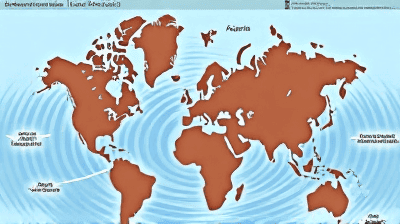
In our increasingly interconnected world, understanding the intricacies of our planet's climate system has never been more critical. Among the many components that influence global weather patterns, the jet stream plays a vital role. This fast-flowing river of air high in the atmosphere significantly affects weather systems across the globe. Recently, scientists have observed shifts in the jet stream, often linked to changes in the polar vortex.
The Earth's atmosphere is a complex and dynamic system, crucial for life on our planet. Among its many components, the ozone layer plays an essential role in protecting living organisms from harmful ultraviolet (UV) radiation.